Hello,
How Can We Help You?
Contact Form
Fill out the form and we will contact you as quickly as possible.

|
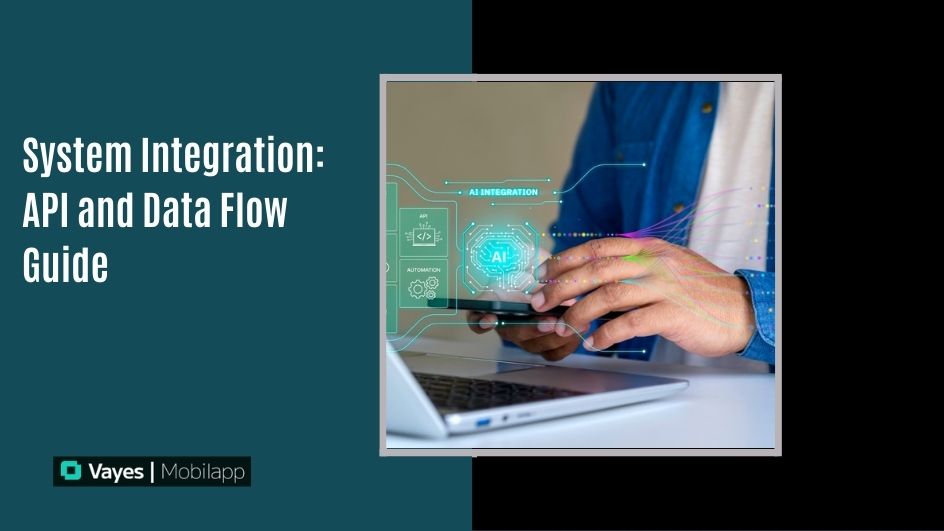
For SMEs and startups, accelerating mobile application development is a critical competitive edge, yet system fragmentation often derails timelines. A strategic system integration API guide transforms this challenge into a powerful opportunity for faster time-to-market. By establishing a robust data flow strategy from the outset, businesses can bypass costly rework, ensuring that their Android iOS app development projects launch predictably and scale efficiently from day one.
Effective integration begins with mapping data dependencies between existing CRM, ERP, or payment gateways and the new mobile front-end. This approach to SME software integration prevents data silos, enabling real-time synchronization that boosts user engagement and retention. Choosing the right API architecture is key to building scalable mobile API solutions, whether RESTful interfaces for flexibility or GraphQL for efficient data fetching, directly impacting performance and long-term maintenance costs.
The true value of a meticulous API guide unfolds during the development phase, preventing the integration bottlenecks that plague fragmented projects. When executed with precision, as delivered by specialized mobile agency of Vayes MobilApp, this methodology ensures that backend logic and frontend experiences are developed in parallel. This synchronization is vital for a successful startup digital transformation, allowing for rapid iteration based on user feedback without compromising system stability or data integrity.
Ultimately, a well-defined API and data flow framework is the cornerstone of sustainable software maintenance. It creates a clear, modular structure where updates to one system component do not necessitate a full app overhaul, drastically reducing long-term ownership costs. This strategic foresight turns a mobile app from a one-time project into a dynamic asset that grows with the business, delivering continuous ROI. By prioritizing seamless integration from the planning stage, companies can confidently accelerate their journey to market with a product built for longevity and user satisfaction.
Achieving seamless data flow is the bedrock of any successful mobile application development project, yet it remains a primary hurdle for many businesses. A methodical approach to system integration dismantles this complexity, transforming disconnected data sources into a unified engine for growth. This is the first critical step in a genuine startup digital transformation, enabling the rapid deployment and scalable architecture that modern markets demand.
The initial phase involves a comprehensive audit of existing systems to define a clear data flow strategy. This mapping exercise identifies all touchpoints between legacy software and the new mobile interface, forming the basis of a practical system integration API guide. For effective SME software integration, this blueprint must prioritize real-time data synchronization to eliminate latency that frustrates users and erodes retention.
Execution then shifts to selecting and implementing the right APIs, the core of scalable mobile API solutions. This stage requires meticulous planning for both Android iOS app development to ensure consistent performance across platforms. A unified project management approach, as championed by partners like Vayes MobilApp, ensures that frontend and backend teams work in concert, preventing the misalignment that causes delays and budget overruns.
Rigorous testing under realistic load conditions validates the integration's resilience and security before launch. This proactive quality assurance is non-negotiable for sustainable software maintenance, as it catches potential failures early. The final, ongoing step is establishing a monitoring and iteration protocol, turning the integrated system into a living asset that adapts to user behavior and new business needs, thereby securing long-term viability and a strong return on your mobile investment.
For businesses investing in mobile application development, the connection between technical architecture and financial return is direct. Strategic API implementation is not merely a technical detail but a core driver of ROI, directly influencing user retention by enabling seamless, feature-rich experiences. A well-executed system integration API guide ensures that every data exchange adds value, transforming a simple app into an indispensable business tool.
The power of APIs lies in their ability to unify disparate systems, a critical factor for successful SME software integration. By connecting a mobile app directly to CRM, payment gateways, or inventory systems via a robust data flow strategy, businesses eliminate manual data entry and errors. This operational efficiency, crucial for both Android iOS app development, delivers immediate cost savings and provides users with the real-time information they demand, significantly boosting engagement and long-term loyalty.
From a scalability perspective, investing in scalable mobile API solutions future-proofs the application. A modular API architecture allows new features to be added without overhauling the entire system, a cornerstone of sustainable software maintenance. This approach, as delivered by specialized mobile agency of Vayes MobilApp, controls long-term costs and accelerates the iteration cycle, allowing businesses to adapt quickly to market feedback and maintain a competitive edge.
Ultimately, APIs are the engine of a true startup digital transformation, turning a static application into a dynamic platform for growth. The return on investment is measured not just in development speed but in sustained user adoption, reduced operational overhead, and the ability to scale on demand. By prioritizing intelligent API integration from the outset, companies can ensure their mobile product becomes a high-performing, revenue-generating asset that grows in value over time.
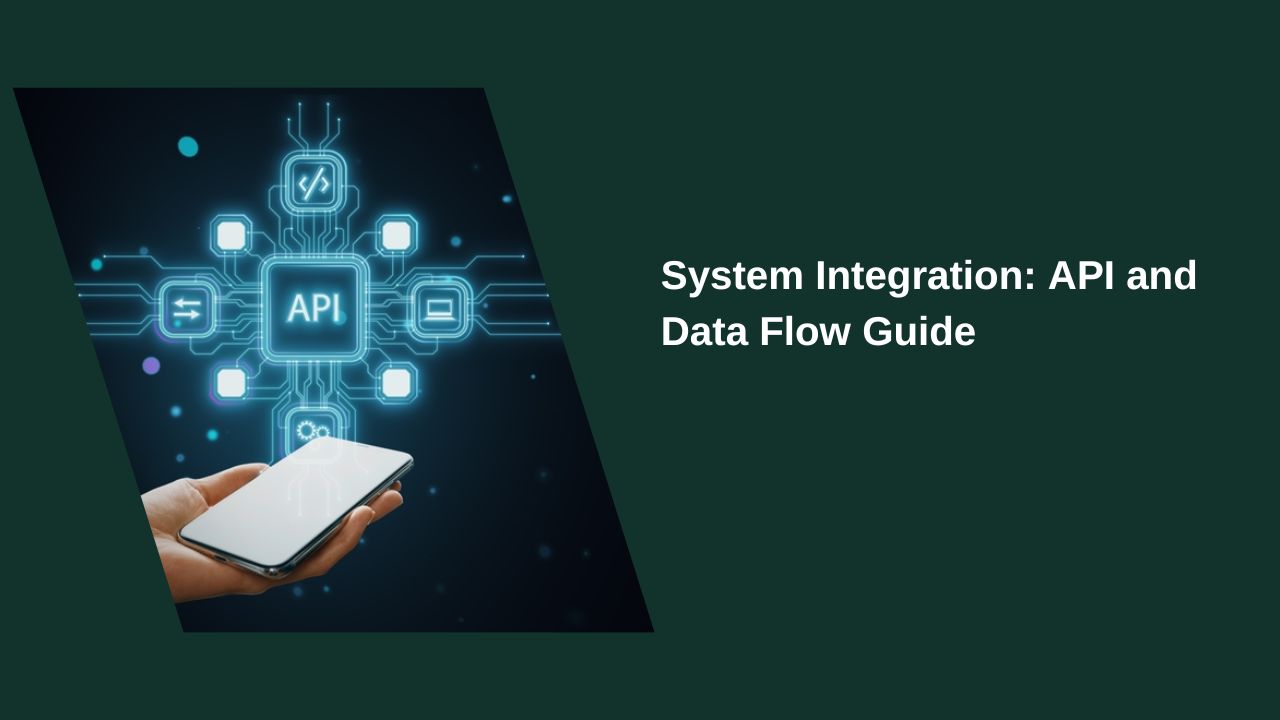
A foundational data flow strategy is the most critical yet overlooked component in mobile application development, determining an app's ability to scale efficiently under user growth and feature expansion. For SMEs and startups, this strategic foresight separates a fleeting application from a durable digital asset. It directly dictates performance, future development costs, and the overall success of a startup digital transformation initiative by ensuring the architecture can support long-term business objectives.
The strategy begins with a meticulous mapping of data endpoints and their interactions, which forms the core of a practical system integration API guide. This blueprint prioritizes efficient data synchronization and caching mechanisms to deliver the speed that users expect. Effective SME software integration hinges on this clarity, preventing the data bottlenecks that cripple app performance during peak usage and drive customers away, thereby protecting user retention from the ground up.
Implementing this strategy requires building upon scalable mobile API solutions that can handle increasing loads without requiring constant re-engineering. This approach is essential for cohesive Android iOS app development, guaranteeing a consistent and reliable experience across all devices. A partner like Vayes MobilApp leverages this methodology to build systems where data flow is optimized for both current needs and future expansion, embedding scalability into the product's DNA.
Ultimately, a proactive data flow plan is the cornerstone of sustainable software maintenance. It minimizes technical debt by creating a clean, logical structure that is easy to update and extend. This forward-thinking investment pays continuous dividends by reducing long-term ownership costs and enabling rapid adaptation to new market opportunities, ensuring the mobile application remains a powerful and profitable engine for business growth long after its initial launch.
Unplanned integrations are a primary source of budget overruns in mobile application development, often consuming resources that should be allocated to core features and user experience. Streamlining this process from the outset is not an optimization—it is a financial imperative for any serious startup digital transformation. A disciplined approach to connectivity directly slashes development hours, reduces testing complexity, and accelerates the path to a revenue-generating product.
The key to efficiency lies in a pre-defined system integration API guide that standardizes how data moves between systems. This framework eliminates the guesswork and custom coding typically associated with SME software integration, allowing development teams to work more predictably. By establishing a clear data flow strategy upfront, projects avoid the costly rework required when backend and frontend components, crucial for both Android iOS app development, are developed in isolation.
This streamlined methodology inherently promotes the use of scalable mobile API solutions that are designed for reuse and extension. When implemented correctly, as seen in projects delivered by specialized mobile agency of Vayes MobilApp, each integration point becomes a modular component. This modularity means that adding a new feature or service in the future requires connecting to a pre-established pattern, not building a new custom bridge from scratch, dramatically lowering the cost of future enhancements.
The ultimate financial benefit is realized through sustainable software maintenance. A clean, well-documented integration architecture is exponentially easier and cheaper to debug, update, and scale over time. This foresight transforms the mobile app from a recurring cost center into a stable, low-maintenance asset, ensuring that the initial investment yields maximum long-term ROI by minimizing ongoing operational expenses and technical debt.
The choice of API architecture is a pivotal financial and strategic decision in mobile application development, with direct consequences for both development speed and long-term viability. Selecting the right approach, as outlined in a comprehensive system integration API guide, can mean the difference between a project that scales affordably and one that becomes bogged down in technical debt. This decision is especially critical for a successful startup digital transformation, where every resource must be optimized for maximum impact.
RESTful APIs, with their standardized conventions, often offer the fastest path to initial SME software integration, reducing development time and cost for simpler data exchanges. However, for complex applications requiring precise data control, GraphQL can be a more efficient long-term investment. By allowing the mobile client to request exactly the data it needs, it optimizes the data flow strategy, reducing bandwidth usage and improving performance, which is vital for user retention in data-heavy apps.
The true cost-saving measure, however, is not just the choice of technology but the implementation within a coherent scalable mobile API solutions framework. A well-structured API, whether REST or GraphQL, ensures consistency across Android iOS app development, preventing platform-specific workarounds that double development efforts. This architectural discipline, a hallmark of partners like Vayes MobilApp, creates a foundation where new features can be integrated predictably, saving significant time and money with each expansion.
Ultimately, the most cost-effective API approach is the one that prioritizes sustainable software maintenance. An API designed for clarity, documentation, and extensibility minimizes the ongoing costs of updates and debugging. This strategic foresight ensures that the initial investment in a robust integration pays continuous dividends, keeping the total cost of ownership low and the application's value high throughout its lifecycle, delivering a superior return on the mobile investment.
In an era of increasing cyber threats, security is no longer an add-on but the foundational element of any credible startup digital transformation. A secure data flow strategy is essential for protecting user trust, ensuring regulatory compliance, and safeguarding the business value generated by mobile application development. Neglecting this aspect can lead to catastrophic data breaches that erase any gains in speed or cost-efficiency, making security a primary driver of sustainable ROI.
Building a secure architecture begins with integrating encryption, authentication, and authorization protocols directly into the system integration API guide. This proactive approach ensures that every data exchange, whether for SME software integration or external services, is protected by default. By designing security into the core data flow strategy, businesses can prevent the vulnerabilities that often arise from retrofitting protections onto a completed system, a critical consideration for robust Android iOS app development.
This security-first mindset is a key attribute of truly scalable mobile API solutions, as a breach at any point can compromise the entire network. Partners like Vayes MobilApp embed security validation at every stage of the data lifecycle, from transit to storage. This rigorous approach not only protects sensitive information but also builds a reputation for reliability that significantly enhances user retention and brand loyalty.
Ultimately, a secure data flow is the bedrock of sustainable software maintenance. It minimizes the risk of costly security patches, legal penalties, and reputational damage down the line. Investing in a hardened integration framework from the start transforms security from a potential liability into a competitive advantage, ensuring that the mobile platform remains a trusted and resilient asset that supports long-term business growth without interruption.
Adhering to API best practices is the most reliable method for accelerating mobile application development without sacrificing quality or stability. For SMEs and startups, this disciplined approach is the engine of a successful startup digital transformation, turning complex integrations from a source of delay into a competitive advantage. A well-defined system integration API guide based on these practices ensures that backend and frontend development can proceed in parallel, dramatically shortening time-to-market.
The cornerstone of these practices is a robust data flow strategy that standardizes how information is requested and delivered. This includes implementing consistent error handling, using clear versioning policies, and designing intuitive endpoints. For effective SME software integration, this predictability allows developers to work efficiently, reducing the debugging cycles that typically slow down projects and ensuring a consistent experience across Android iOS app development.
These standards are fundamental to building scalable mobile API solutions that perform reliably under real-world conditions. When APIs are designed for clarity and consistency from the start, as exemplified by the approach of Vayes MobilApp, testing becomes more streamlined and deployment risks are minimized. This reliability is crucial for user retention, as customers quickly abandon apps plagued by slow or unpredictable performance stemming from poor API interactions.
Ultimately, investing in API best practices is an investment in sustainable software maintenance. A clean, well-documented API architecture is far easier to update, extend, and troubleshoot long after the initial launch. This foresight significantly reduces the total cost of ownership, ensuring that the mobile application remains a fast, reliable, and valuable asset that continues to drive business growth and deliver a strong return on investment for years to come.
Contact Form
Fill out the form and we will contact you as quickly as possible.
Notification Center 00:00